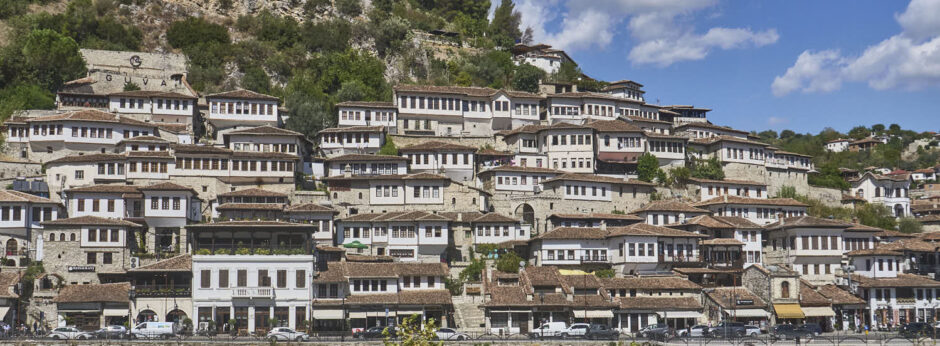
We have a long day yesterday and by the time we get back to the hotel it is 8:30 pm and a post will have to wait.
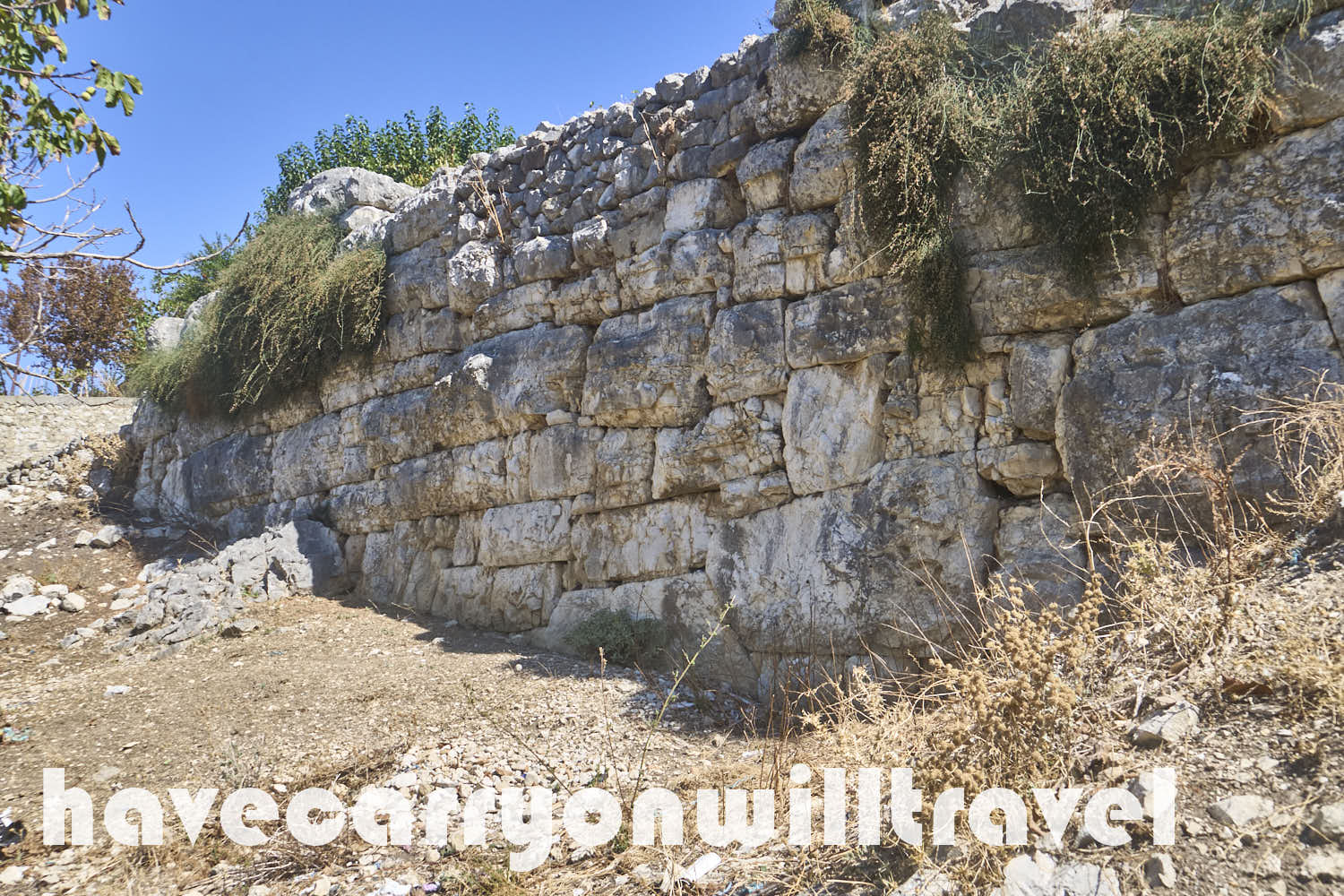
On the drive from Berat to Gjirokaster, we stop at an ancient site. It is Nikea, a 5th century BC Illyrian fortified settlement. All that is left now are pieces of the wall, and parts of the theatre. It seems, every time an invading army conquers,m they kill the people and cart away the stones. The wall is quite impressive with its huge oddly shaped blocks. The site is located near a small village, on the top of a hill that has a 360 degree view of the surrounding countryside. It is peaceful up there, except for the barking dogs somewhere below us that we cannot see.
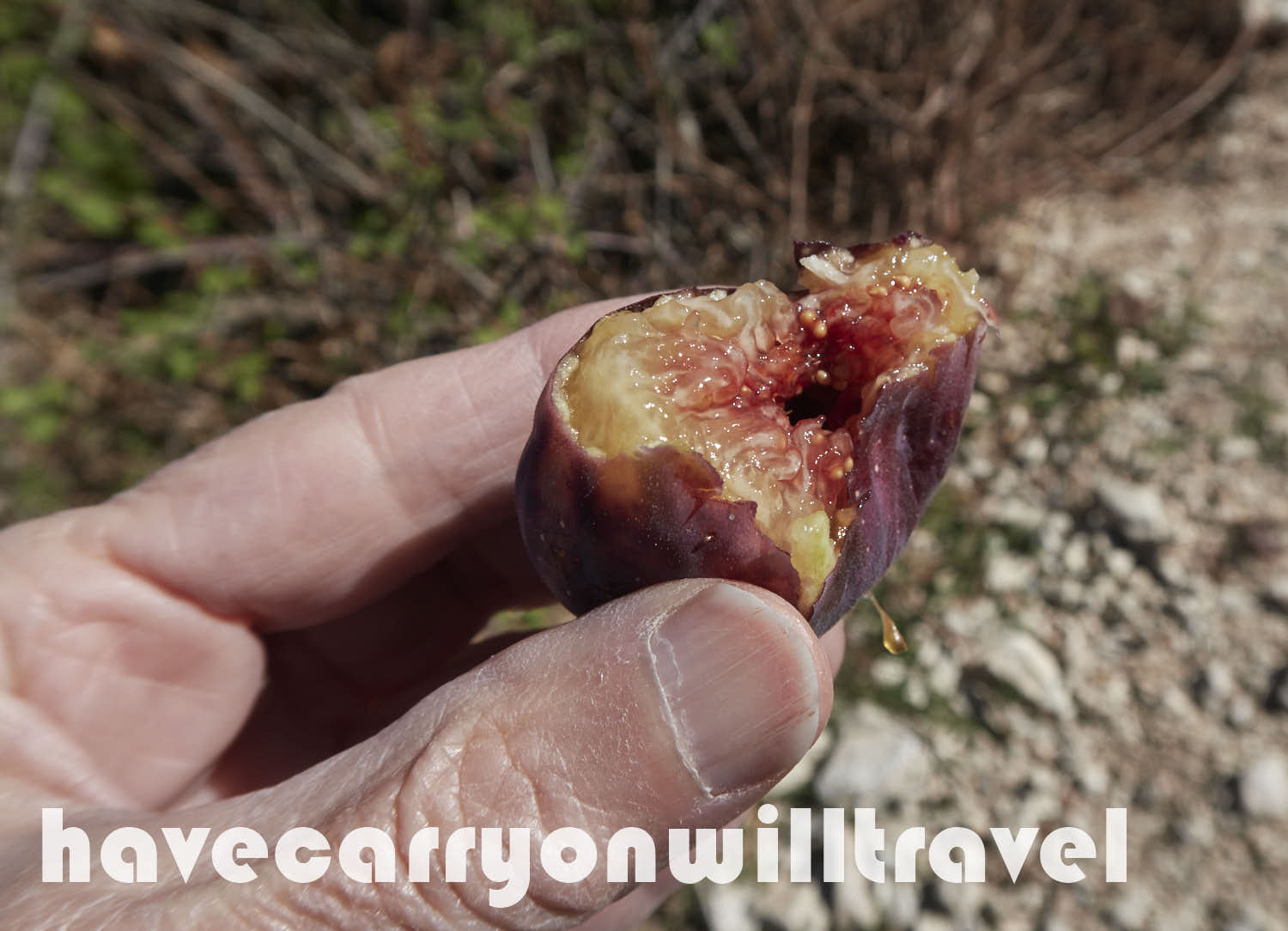
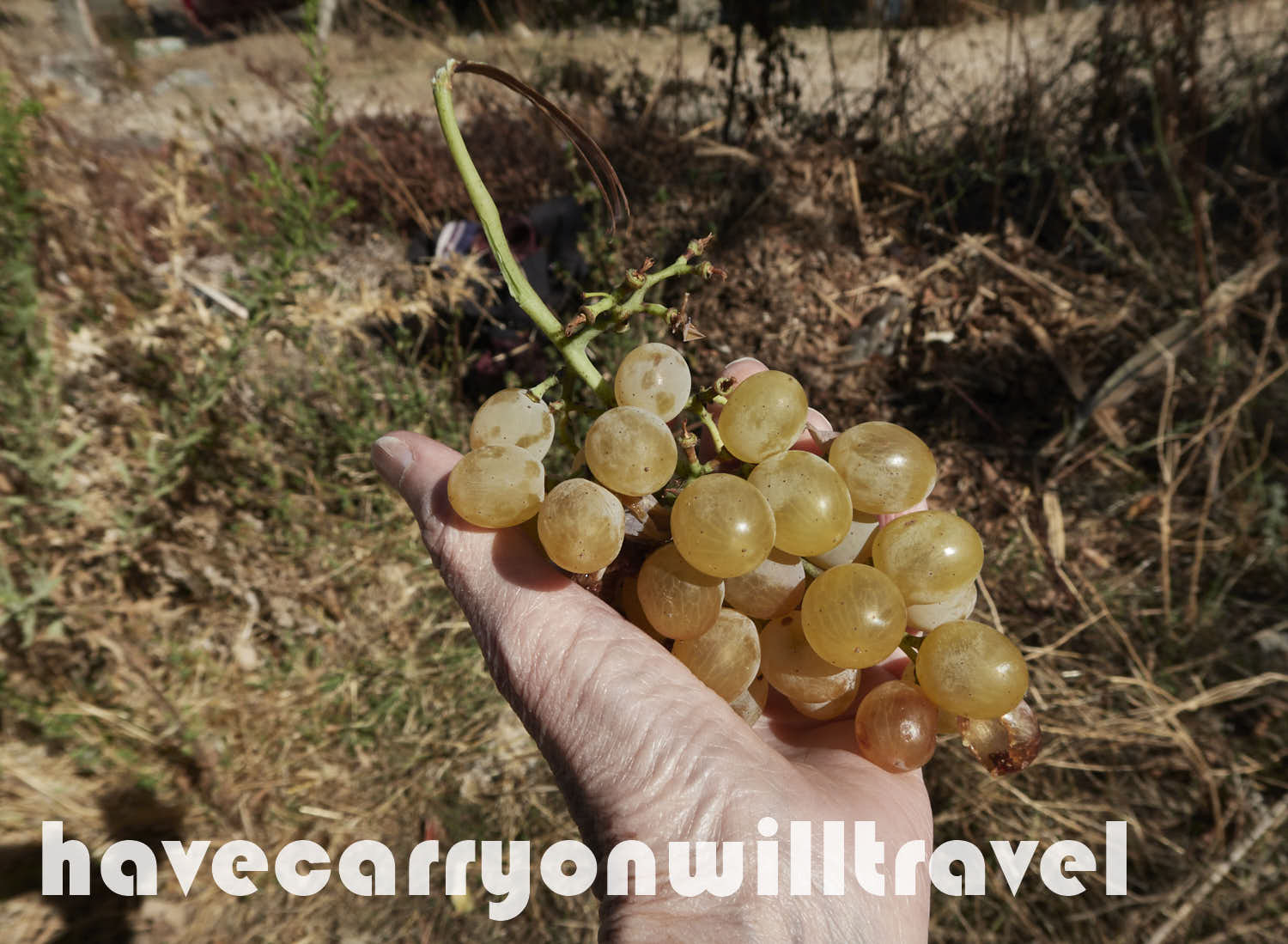
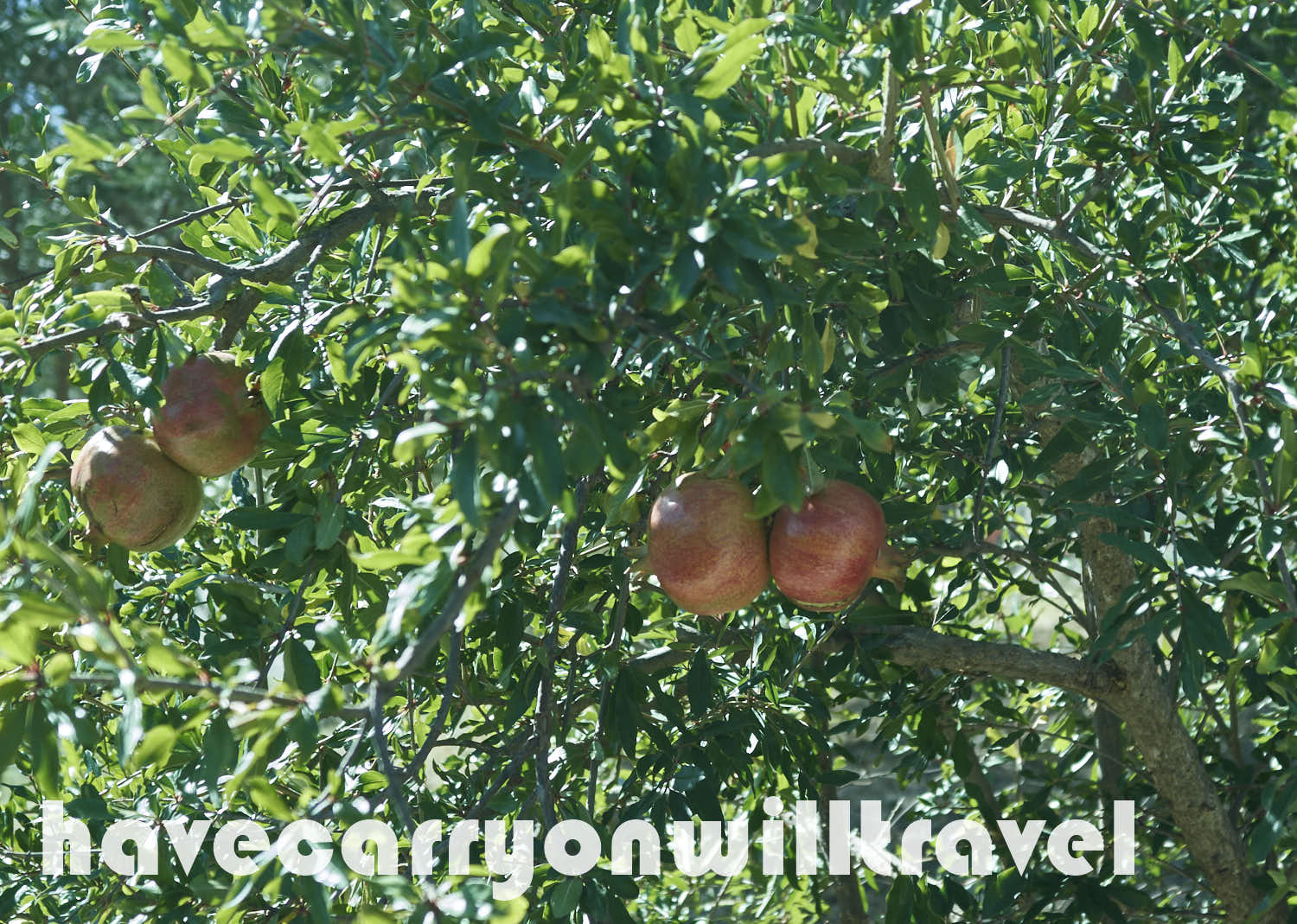
As we travel, our guide picks various types of fruit for us. Green figs and grapes, red figs, purple grapes and pomegranates. We taste them all. I am delighted with the figs as I have never been a fig lover. I would eat these!
As we drive towards Gjirokaster, we see a turkey farm with about 300 turkeys. Our guide says the sale of those is enough for a family to live for a year. We view the river Vjosa, which is the largest remaining wild river in Europe and it is protected as a national park.
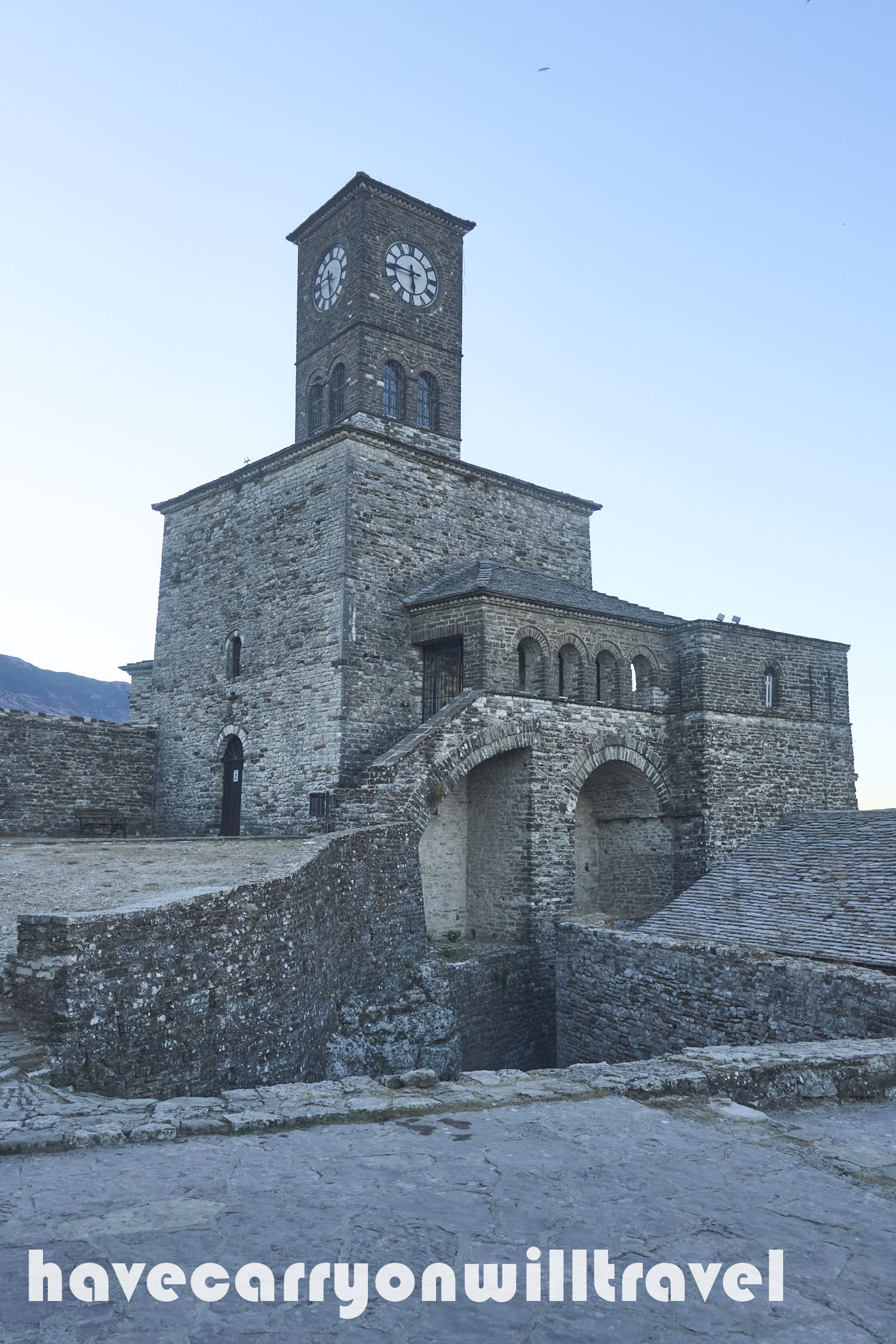
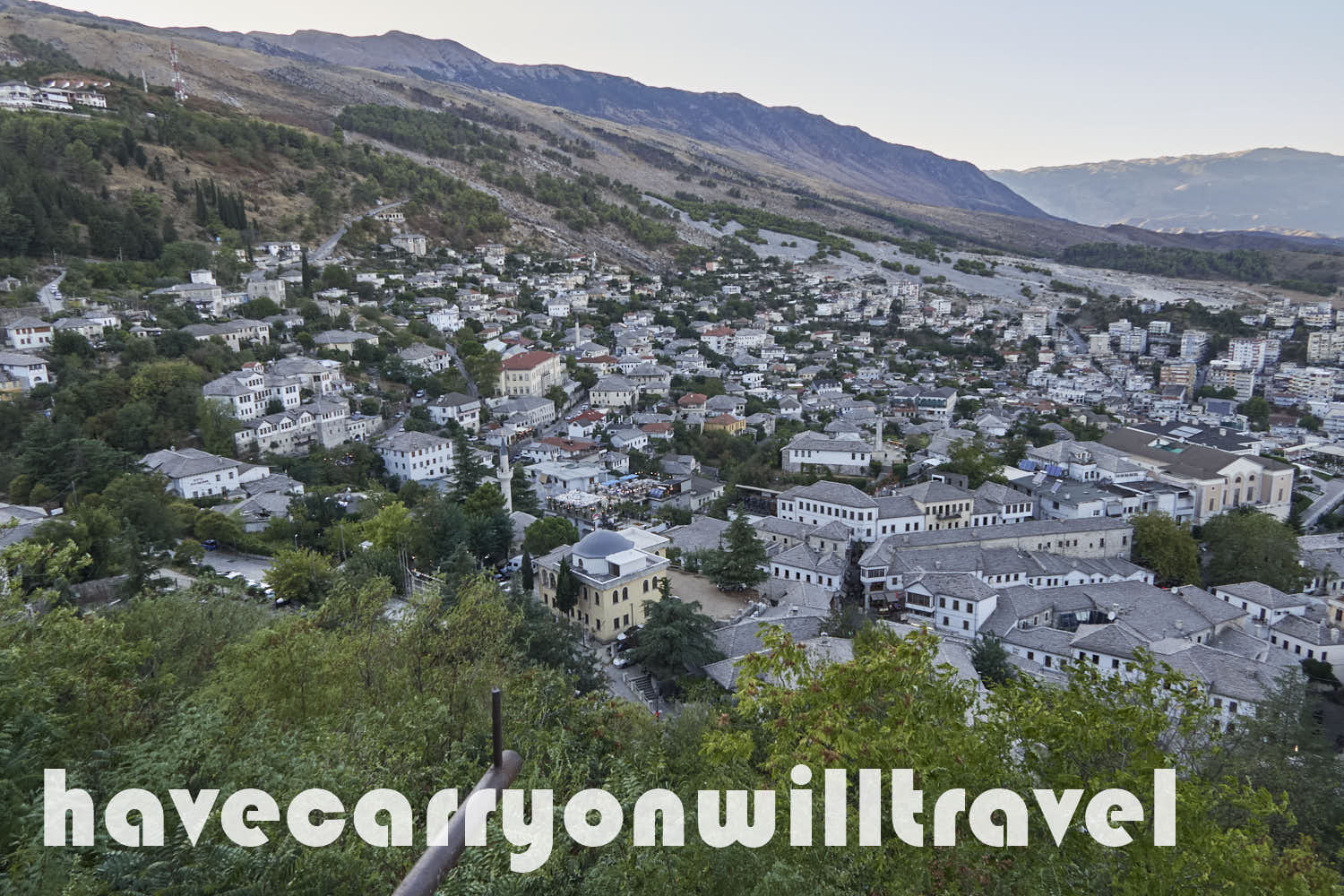
When we arrive in Gjirokaster, we visit the castle that overlooks the town and the river valley, making it a strategic military location. It is an Ottoman era fortress, built beginning in the 12th century. There is a legend that Princess Argjiro, who lived in the 15th century jumped off the wall with her child to avoid capture by the Ottomans.
Today, as we drive from Gjirokaster back to Tirana, our guide explains how a sheep farmer earns enough to live. He has some hundreds of sheep which we sells lambs, cheese and milk for about $17,000 a year. The man of the family travels to Greece for three to six months a year to pick fruit and makes about 1,500 Euro a month. The family doesn’t spend much so they have enough to live on for the year. He calls this “the simple rhythm of economy.”
We see many derelict factories left over from the communist era. Free enterprise has been accepted here with open arms. Unfortunately, there is little marketing and business acumen as there are numerous closed gas stations, restaurants and shops.
The countryside is rolling hills stretching up to mountains. These hills have been cleared and are now agricultural lands. Soon, there won’t be any wild forests left. Olive tree groves are the main crop. Our guide says that these trees do not get sick and since their roots are shallow, they soak up moisture very easily.
We have a full day in Tirana before we strike out on the road again, this time going towards North Macedonia.